

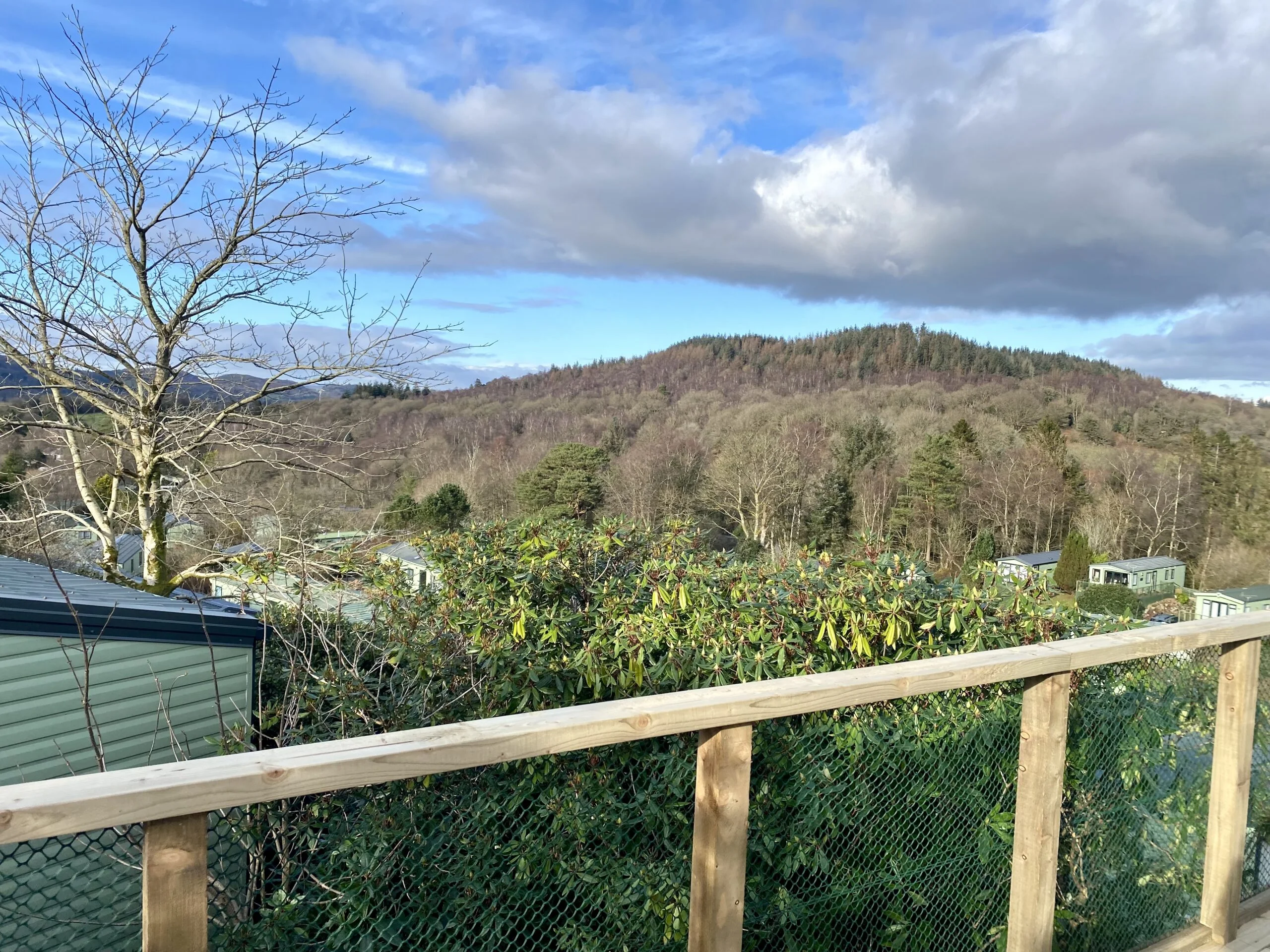

It is one of the first questions that any serious buyer asks, not of a sales team but of themselves, quietly, usually on the drive back from a first visit. What would it actually be like? Not the brochure version. Not the photographs taken in golden July light with everything gleaming. What is it like in February, on a Tuesday, when work has been relentless and you are arriving in the dark? What is it like in May when the bluebells are out and the kids are racing each other to the forest? What is it like five years in?
This post attempts to answer that question honestly, drawing on the experience of owners at Coastal Kippford, a 4-star family-run holiday park on the Solway Firth in Dumfries and Galloway. No embellishment. No sales language. Just what ownership in this part of Scotland is genuinely like.
 Let us start with the seasons
One of the most consistent things that owners of holiday lodges and static caravans in Dumfries and Galloway say is that they had not expected to love autumn and winter quite so much. The assumption, before buying, is usually that summer is the point: long evenings, warm weather, the kids off school. And summer is wonderful. But it turns out there are four seasons here, and they all have something to offer.
Spring arrives early along the Solway coast, earlier than most of the rest of Scotland. The first warm weekends in March or April are something owners tend to talk about with genuine affection: the park is quiet, the forest is coming alive, and the coastal walk to Rockcliffe has a clarity to it that the summer crowds can sometimes obscure.
Summer is, as expected, the peak. Long evenings on the decking. Children who disappear to the play areas and need to be called in at dusk. BBQs that stretch until 10pm. The beach at Kippford. Kayaks on the Solway. The kind of days that embed themselves as memories.
Autumn in Dumfries and Galloway is quietly extraordinary. Dalbeattie Forest, which begins approximately 300 metres from the Coastal Kippford park entrance, turns in a way that owners consistently describe as one of the best things about owning here. The colours, the light, the smell of the forest in October. Most of the tourists have gone. The walks are entirely yours.
Winter brings something else again. Coastal Kippford is open all 365 days of the year, which means it is there for the Christmas visits, the New Year trips, the February half-term weekends when you simply need to get away from the routine. Owners who have been coming in winter for several years tend to say the same thing: the skies are extraordinary (Dumfries and Galloway has some of the darkest skies in Britain), the park is immaculate, and the peace is of a different and very welcome quality to the summer version.
 What does a typical weekend actually look like?
There is, of course, no typical weekend. That is rather the point. But there are patterns that many owners at Coastal Kippford describe.
Friday evenings are often arrival evenings. The drive from Glasgow takes around 90 minutes. From Edinburgh, a little over two hours. Most owners say the transition happens somewhere on the A75: the work week falls away, the landscape opens up, and by the time you are dropping down into Kippford village, you are already in a different frame of mind.
Saturday mornings might begin with a walk. The coastal route to Rockcliffe takes around 90 minutes at an unhurried pace, winding through coastal woodland and emerging above the Solway with views across to Cumbria and, on a clear day, the Isle of Man. Dogs are always welcome. The Dalbeattie 7stanes mountain biking centre is a three-minute drive for those who want something more demanding.
Afternoons have their own rhythm. Some owners drive to Castle Douglas (known as Scotland’s food town) for provisions. Others simply sit on the decking and read. Kippford village itself has a pub and a hotel, both with garden seating overlooking the estuary. Saturday lunch there, in good weather, is one of the pleasures of ownership that people mention often.
Sundays are usually slower. A shorter walk. A late breakfast. Tidying up before the drive back. And then, somewhere on the A75 again, the planning for next time.
What nobody tells you about the community
Something that consistently surprises new owners at Coastal Kippford is the community. Not in an intrusive or organised way. There are no compulsory social events, no activity programmes for adults. But there is a quiet, genuine sense of belonging among people who have found the same place and keep returning to it.
You get to know your neighbours on the park over time. You recognise the same dogs. You swap recommendations for walks, for restaurants, for the best time of year to see the red squirrels. Some owners have been coming to Coastal Kippford for decades and know each other the way people know long-time friends rather than holiday acquaintances.
This is, in part, a consequence of the park being family-run. The Coastal Kippford team, managed now by Melanie Riach whose parents Robin and Gail Aston have been custodians of the park for decades, know the owners by name. The staff who help with a maintenance issue in October are the same staff who wave hello on the way to the laundry room in July. Consistency of care produces a particular kind of atmosphere, and owners tend to be acutely aware of it.
 The practical reality: what it actually costs
There is no point pretending that ownership is without cost. A clear-eyed view of what you are signing up for financially is essential before you commit.
The purchase price of your static caravan or lodge includes siting, full decking, and connection to mains services at Coastal Kippford, with no unexpected charges at point of purchase. Beyond that, the ongoing annual costs of owning a holiday home broadly fall into two categories: pitch fees, and running costs.
Pitch fees cover your right to site your caravan or lodge on the park and include access to all facilities, 24-hour staffing, and grounds maintenance. The full breakdown of annual costs is available on the park costs page, and Coastal Kippford is committed to sharing all of this before you make any commitment.
Running costs include metered electricity and water, annual servicing of the caravan or lodge itself, and buildings and contents insurance. These are budgetable and predictable, and the team are happy to walk you through realistic annual figures so you can plan properly.
One option worth knowing about is the park’s own sublet scheme. If you are not using your lodge or caravan, you can make it available through the park’s rental programme, which allows you to offset some of your annual running costs. This is not a guaranteed income stream and should not be the primary reason for buying, but for owners who are away for significant periods, it is a practical and useful option.

The things that genuinely surprise people
Ask owners what surprised them about buying a holiday lodge or static caravan in Dumfries and Galloway, and a few things come up consistently.
The first is how much they use it. Most people buy with an intention, usually to come for summer or Christmas, and end up visiting far more often than they expected. The accessibility of Coastal Kippford from the central belt means a Friday afternoon decision can translate into a Friday evening arrival. The bar for going is low, and the reward is consistently high.
The second is the wildlife. People know, in an abstract sense, that the Solway coast is ecologically significant. They do not always expect to see red squirrels on the park itself, or to be woken by tawny owls, or to look up on a winter walk and see a peregrine falcon. After twenty consecutive years of the David Bellamy Gold Conservation Award, the grounds of Coastal Kippford are genuinely alive in a way that distinguishes them from almost any other holiday park in south Scotland.
The third surprise, and perhaps the most important one, is how the purchase changes the relationship with leisure. Owners consistently describe a shift in the quality of their time off once they have somewhere that is always ready for them. No booking, no searching, no compromising on dates. Just the decision to go, and then going. That simplicity turns out to be worth a great deal.
Is it right for you?
Ownership of a holiday lodge or static caravan in Dumfries and Galloway is not for everyone. If you want a different location every year, a touring caravan may suit you better. If you want a busy resort with organised entertainment, Coastal Kippford is specifically not that. It is a quiet park, and deliberately so.
But if what you are looking for is a place that restores you, reliably and repeatedly, across every season, somewhere you can take the dog, bring grandchildren for long summer weeks, arrive in February when the world feels relentless, and sit on the decking in October watching the light change over the Solway, then ownership in this part of Scotland, at this particular park, tends to answer the question in a way that is hard to argue with.
Most owners, eventually, say the same thing: they wish they had done it sooner.
-> Find out about holiday home ownership at Coastal Kippford
-> View lodges for sale in Dumfries and Galloway
-> View static caravans for sale in Dumfries and Galloway
-> Discover things to do in Dumfries and Galloway